2 min read
Plastic eggs in your kitchen? FSSAI shares update; here’s how to check if an egg is fresh or stale at home
Egg test at home: FSSAI has shared a simple egg freshness test that can be done at home amid social media claims about “plastic eggs”. The food safety regulator explained how the water test can help check whether an egg is fresh or stale. FSSAI also addressed common misconceptions about egg yolk, egg white and dry shells, urging consumers to rely on verified sources.
By Trending Desk
Updated 3 weeks ago
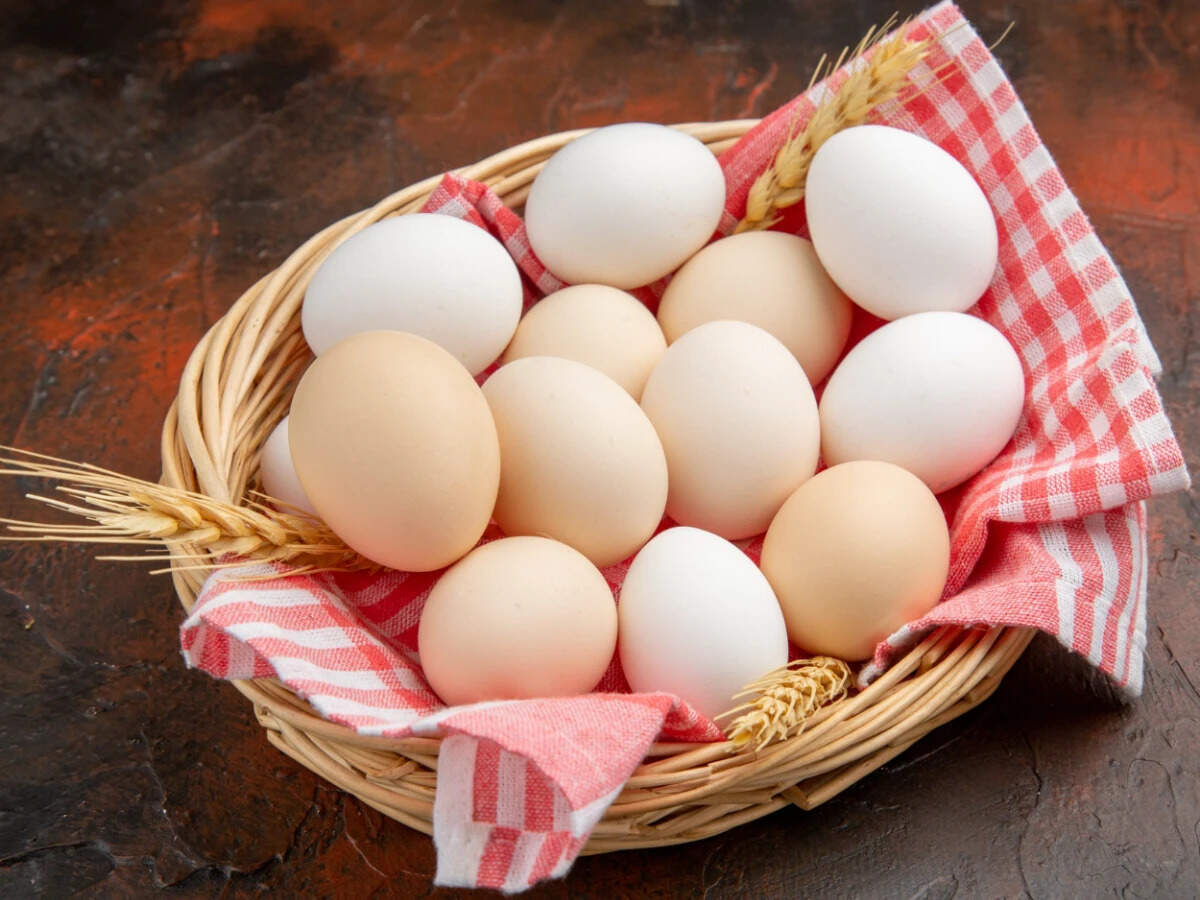
Have you ever cracked an egg and wondered whether it is still fresh? With claims about “plastic eggs” regularly making the rounds online, the Food Safety and Standards Authority of India (FSSAI) has shared a simple way to check the freshness of an egg at home.
In a post on X, FSSAI urged people not to let food rumours influence their choices and shared a video explaining the water test for eggs. The food safety regulator also advised people to rely on verified information instead of social media rumours.
How to check if an egg is fresh at home?
The easiest way to check an egg’s freshness is the water test. Place the egg gently in a bowl or glass of water and observe how it behaves.A fresh egg generally sinks and lies flat at the bottom. As an egg gets older, moisture gradually escapes through its porous shell and the air pocket inside becomes larger. This can make the egg stand upright or float.
FSSAI’s video highlights that changes in an egg over time do not mean it is artificial or made of plastic.
Does an egg become ‘plastic’ if the yolk and white mix?
The video addresses a common misconception surrounding eggs sold online. It says, “Bro, just because my yolk and white mix together doesn't mean I'm fake.”The yolk and egg white can become less distinct as an egg ages, but this alone is not proof that an egg is artificial. FSSAI’s message is aimed at helping consumers distinguish normal changes in eggs from unverified claims circulating online.
Why does an egg shell become dry?
According to the FSSAI video, an egg’s shell can become dry as the egg loses moisture over time.Eggshells are naturally porous, allowing moisture and gases to pass through them. As an egg ages, its internal air space increases because of moisture loss. These natural changes can affect how an egg looks and behaves.
FSSAI on ‘plastic eggs’ rumours
Sharing the video, FSSAI wrote: “Seen claims about ‘plastic eggs’ online? Don’t let food rumours influence your choices.”The regulator added that consumers can use the water test to check whether an egg is fresh or stale and encouraged people to rely on verified sources for food-related information.