5 min read
Backless blouses at Garba nights spark debate, but was the modern blouse always part of Indian tradition?
One of the most anticipated festive seasons in the Hindu calendar is here, bringing with it the annual sartorial spectacle of Navratri. Yet, this year, amid the swirl of ghagras, the glint of traditional jewellery and the infectious rhythm of Garba, it is the humble blouse that has found itself at the centre of a rather contentious conversation, with backless and sleeveless styles prompting questions about where festive fashion ends and...
By Labani Mahanandy
Updated 2 days ago
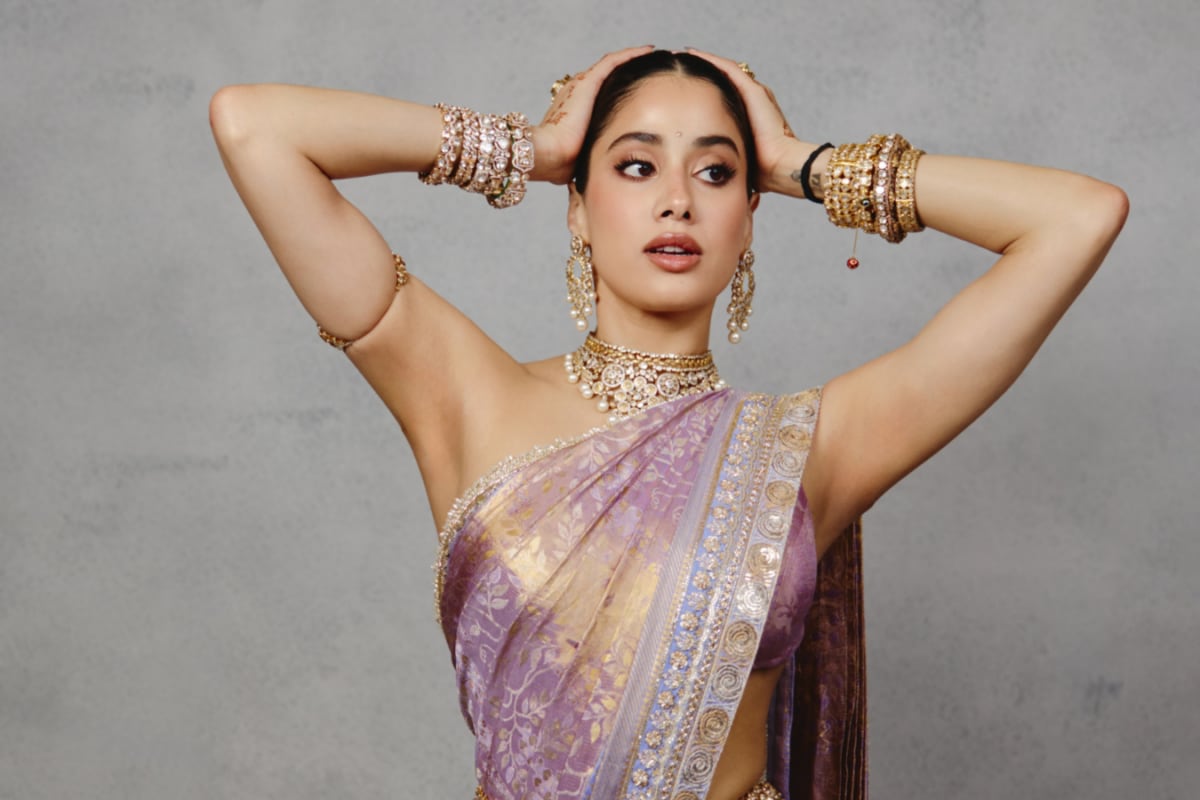
One of the most anticipated festive seasons in the Hindu calendar is here, bringing with it the annual sartorial spectacle of Navratri. Yet, this year, amid the swirl of ghagras, the glint of traditional jewellery and the infectious rhythm of Garba, it is the humble blouse that has found itself at the centre of a rather contentious conversation, with backless and sleeveless styles prompting questions about where festive fashion ends and tradition begins.
For weeks, we curate mood boards, bookmark silhouettes and deliberate over every last detail, from the chaniya choli to the jewellery, all in pursuit of a look that is dressed to the nines. After all, the spectacle begins long before the first beat drops. But when a backless blouse becomes a subject of debate, perhaps it is time to ask a question that goes beyond the latest festive trend: how much of what we call tradition is actually tradition, and how much is simply what we have grown accustomed to seeing?
Because the blouse, as it turns out, has quite the story to tell.
Before The Blouse Became A Wardrobe Essential, What Did Women Wear?
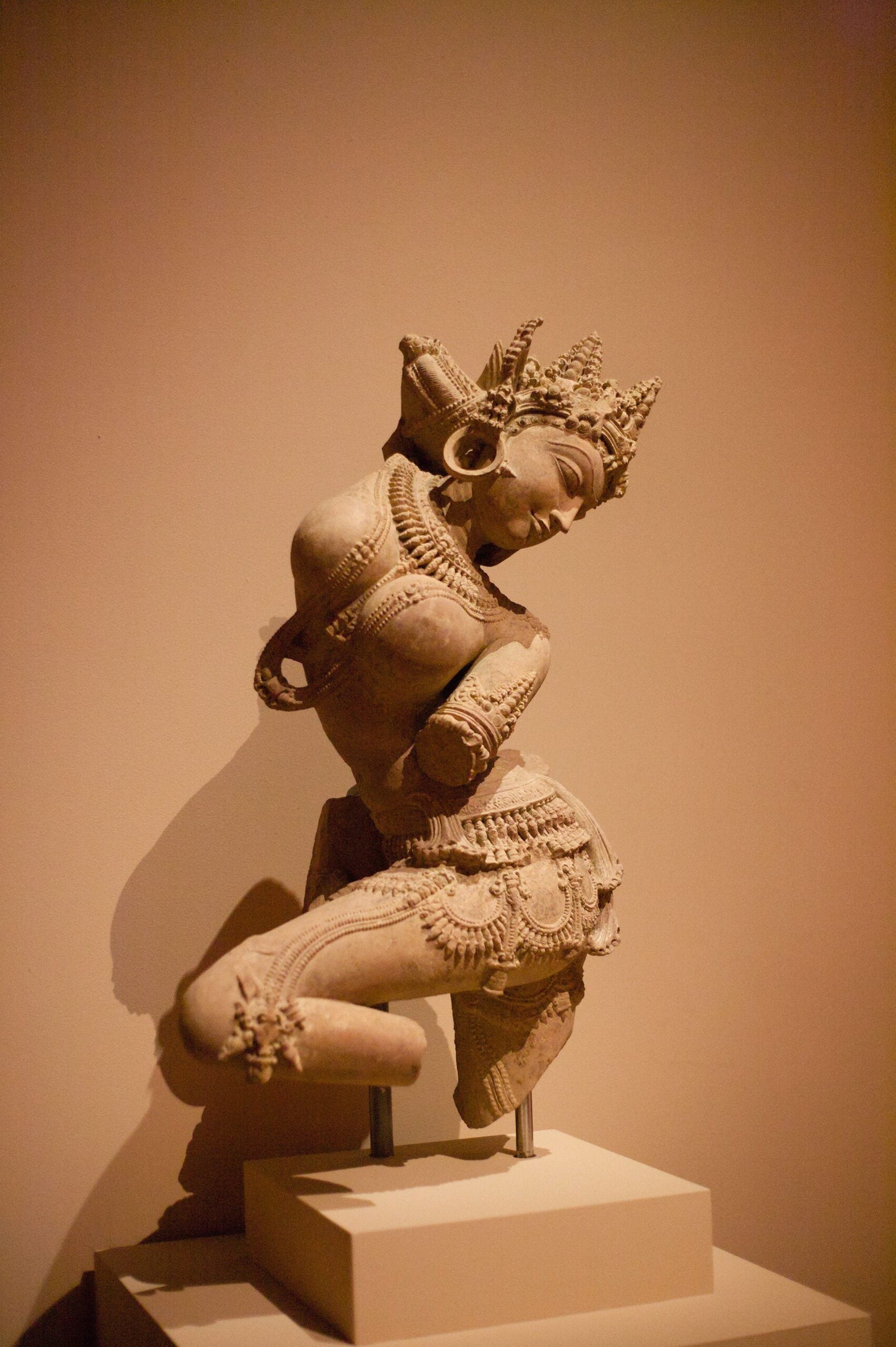
The idea that Indian women have always dressed according to one fixed template is a tidy one. History, unfortunately for tidy arguments, rarely cooperates.
Take the stanapatta, for instance. Referred to in historical discussions of early Indian dress, it was a band of fabric used to cover the breasts. Unlike a tailored blouse, it did not necessarily fit around the torso or have sleeves, a neckline or a back fastening.
Then there was the uttariya, a length of cloth draped over the shoulders or upper body, which could be arranged in different ways. The antariya, meanwhile, was worn around the lower body.
These terms appear in discussions of ancient Indian clothing, including Sanskrit and Pali sources. They are useful for understanding the garments and terminology of the time, although they should not be treated as evidence of one standard outfit worn by every woman across the subcontinent.
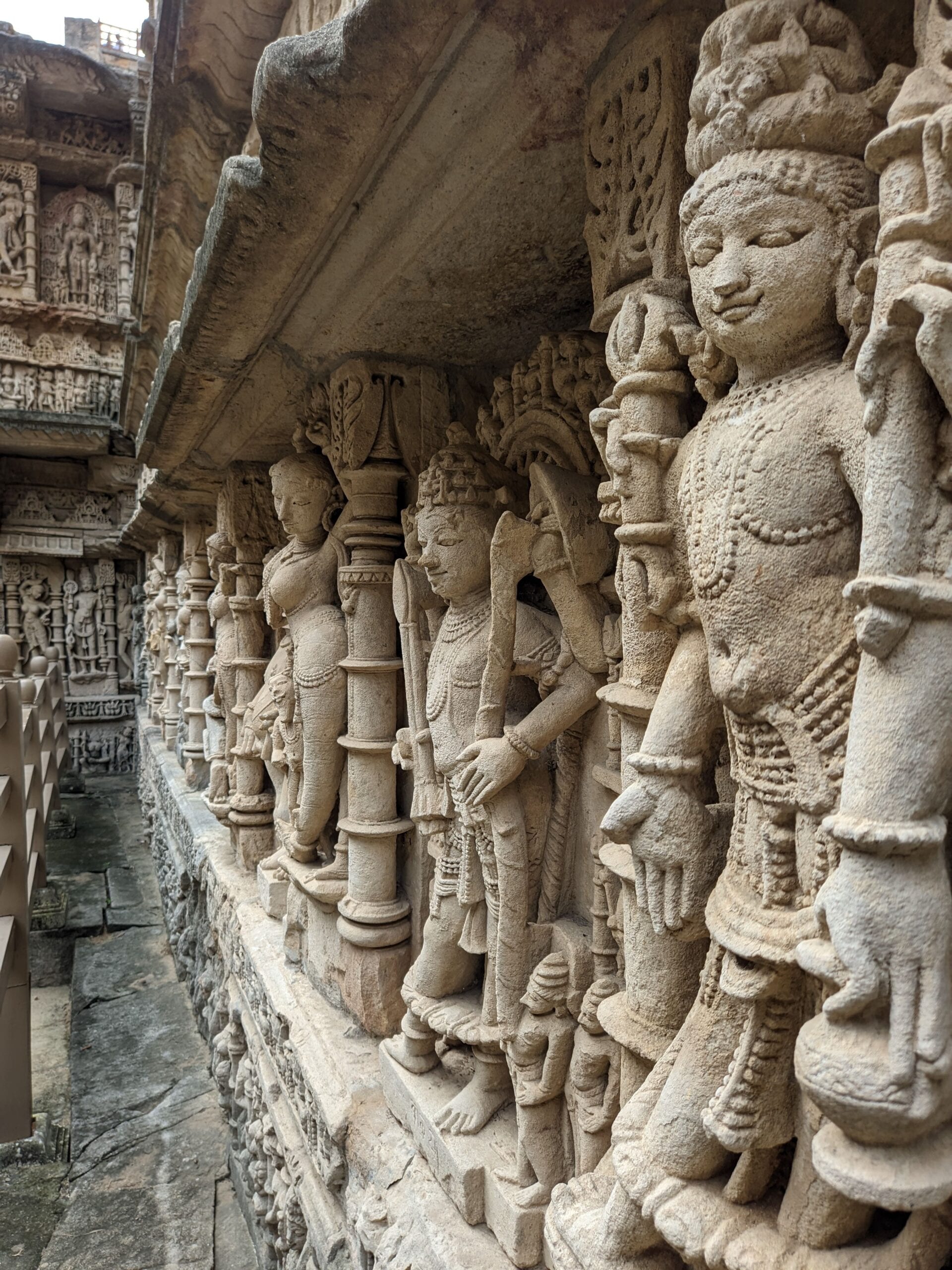
The visual record adds another layer. Female figures in sculptures from early historic India, including the Mauryan and Shunga periods, are often depicted with bare upper bodies, elaborate jewellery and draped lower garments. Later sculptures and artworks show a wider range of upper-body coverings and stitched garments. Such depictions reveal changing conventions of dress and representation, though artistic imagery does not necessarily provide a literal record of everyday clothing.
By the Gupta period and in later centuries, depictions of stitched upper garments become part of the broader visual history of Indian dress. The choli, in its various regional forms, would become particularly associated with ensembles featuring skirts and draped textiles. Its cut, sleeve length and back design differed across communities and regions.
The British Didn’t Invent The Blouse, But They Helped Change The Dress Code
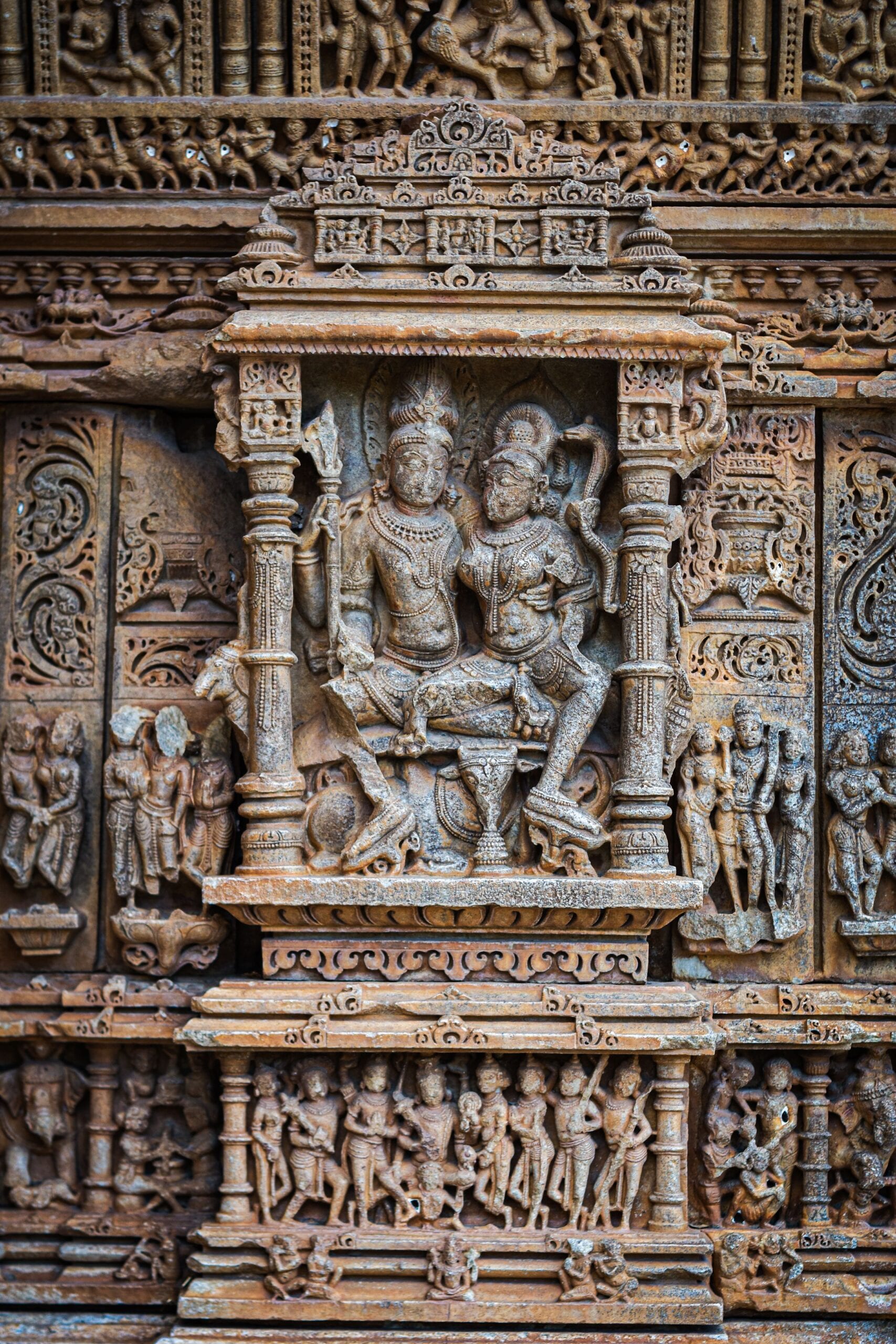
The colonial era brought more than a new set of rulers to India. It also introduced social spaces in which clothing could determine whether a woman was considered appropriately dressed. Among certain urban and elite communities, European notions of respectability began influencing how women presented themselves in public.
Bengal became an important part of this sartorial shift, with Jnanadanandini Devi, sister-in-law of Rabindranath Tagore, frequently credited with popularising a new style of sari draping alongside blouses and jackets.
Her experiments are often linked to the practical realities of moving through colonial social settings, where existing ways of wearing the sari did not always meet prevailing expectations of dress. The drape she helped popularise arranged the fabric differently across the body, making it more suited to public and social occasions.
The fashions of the period also reflected the visual language of the time. High collars, puffed sleeves, lace, frills and decorative details appeared in blouse designs influenced by European dress, while Indian tailoring and textile traditions continued to shape what women wore.
Over time, the blouse-and-petticoat combination became a familiar part of sari dressing, though practices continued to vary across regions.
Tradition, it turns out, has had a few costume changes.
From Supporting Act To Fashion’s Main Character
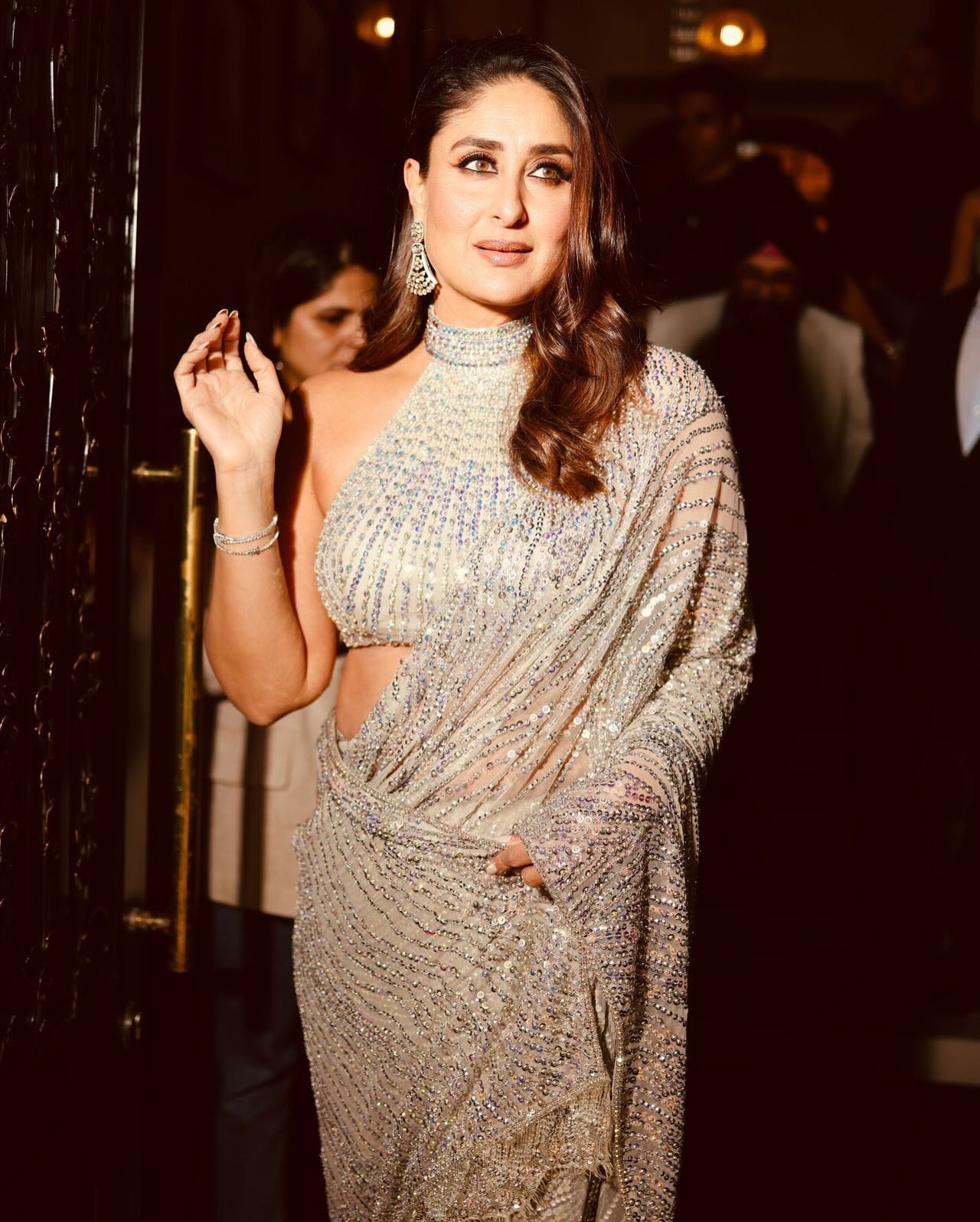
Today, nobody spends weeks choosing a sari only to treat the blouse as an afterthought. The neckline is negotiated, the sleeves are deliberated over, the back is inspected from every angle, and the tailor is often the most important person in the festive supply chain.
A blouse can lend a sari old-world elegance, give a chaniya choli a sharper edge or turn a familiar outfit into something distinctly personal. The embroidered choli, the halter neck, the dramatic tie-back and the corset-inspired blouse may belong to different design vocabularies, but they share one thing: they can change the entire mood of an ensemble.
Cinema helped make the blouse a style statement long before Instagram turned outfit inspiration into a competitive sport. Bollywood’s costumes have influenced festive dressing for decades, with actresses and designers popularising silhouettes that audiences later adapted for weddings, celebrations and festivals.
Then came social media, where one celebrity appearance can set off a thousand searches for the same neckline, and a designer’s festive collection can travel from runway to mood board in minutes.
The blouse has become more than a garment that completes an outfit. It is often the detail that gives the outfit its personality. Which makes its sudden appointment as the guardian of tradition all the more curious.
When Did A Backless Blouse Become A Cultural Controversy?
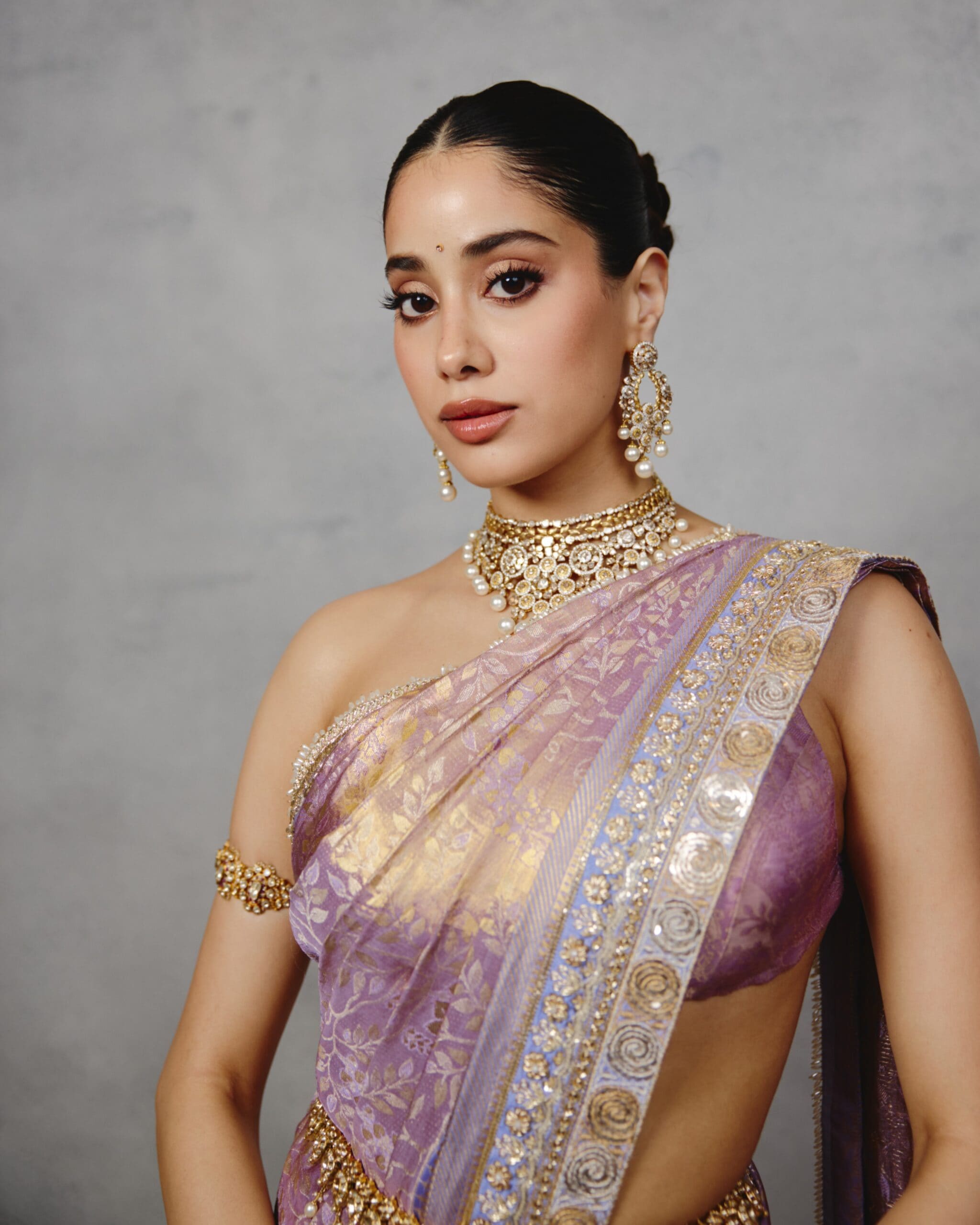
The current debate hinges on a familiar assumption: the more covered the outfit, the more traditional it must be. By that logic, a sleeveless blouse is a departure, a low back is a provocation, and a tie-string is apparently enough to put cultural authenticity on trial.
There is also a difference between saying that a particular outfit does not align with one’s personal or community expectations for a religious occasion and declaring it untraditional in any broader historical sense. One is a question of values and context; the other is a claim about the past.
And perhaps that is where the argument gets tangled. We often use the word traditional as though it describes one fixed, universally agreed-upon look. In reality, clothing traditions are regional, layered and constantly being reinterpreted.
A blouse can reveal a back. It cannot, by itself, reveal how Indian tradition works.
This is not to suggest that cultural customs are irrelevant, or that every setting has identical expectations. Religious and community practices can carry deep meaning, and people will naturally disagree about what feels appropriate.
But the latest backless-blouse debate offers a useful reminder: how much of what we recognise as traditional today is truly so? The answer lies in the blouse’s own history.
So, the next time a backless blouse sends social media into a spiral, it may be worth looking beyond the neckline.