Cardiovascular surgeon’s warning: Avoid this one thing to protect your heart
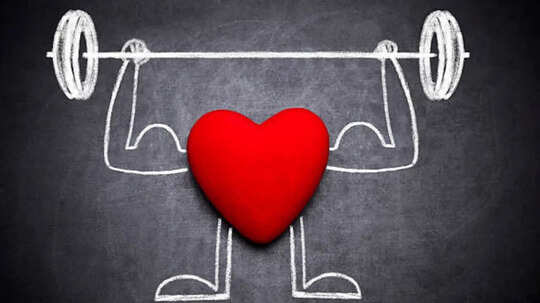
A US-based cardiovascular surgeon warns that a sedentary lifestyle is one of the biggest threats to heart health. Even short periods of inactivity can weaken the heart muscle, reduce efficiency, and increase disease risk. Regular exercise strengthens the heart, improves circulation, lowers stress, and significantly reduces the chances of a heart attack and other life-threatening cardiac events.
By Times Now DigitalUpdated 1 hour ago
cardiovascular surgeon’s warning: avoid this one thing to protect your heart
A US-based Cardiothoracic surgeon with over 25 years of clinical experience has revealed one thing you must totally avoid if you want to protect your heart health. Your heart – one of the most vital organs in your body helps to pump blood to all parts and provides it with the oxygen and nutrients it needs to function. Even though rest, with uninterrupted sleep along with a good diet, is necessary, there is one thing you must absolutely not do to help the heart function well.
Dr London has emphasised that a sedentary lifestyle is the primary threat to maintaining a strong heart. Here’s what he said:
“It has been shown that even a short course of bed rest can decrease heart function, as your heart is just a muscle. If you don’t use it, you lose it,” Dr London told his followers on Instagram.
Related News | Dog-Assisted Therapy Explained: How Dogs Improve Mental Health and Emotional Balance
Dog-Assisted Therapy Explained: How Dogs Improve Mental Health and Emotional Balance
Your Money Is Dirtier Than You Think: Currency Spreads Life-Threatening Bacterial Infections
Your Money Is Dirtier Than You Think: Currency Spreads Life-Threatening Bacterial Infections
How does not exercising affect heart function?
Leading a sedentary life and not working out regularly, declines heart function as increased stress can weaken the muscle, making it less efficient, causing a condition known as sedentary heart. A lack of exercise allows for the buildup of fatty deposits in arteries, which reduces blood flow to the heart muscle.
No workouts and sedentary behaviour – especially in middle age- leads to increased stiffness of the heart muscle, thereby lowering its ability to pump effectively. It also brings down your heart's ability to adjust to demands, leading to a higher resting heart rate.
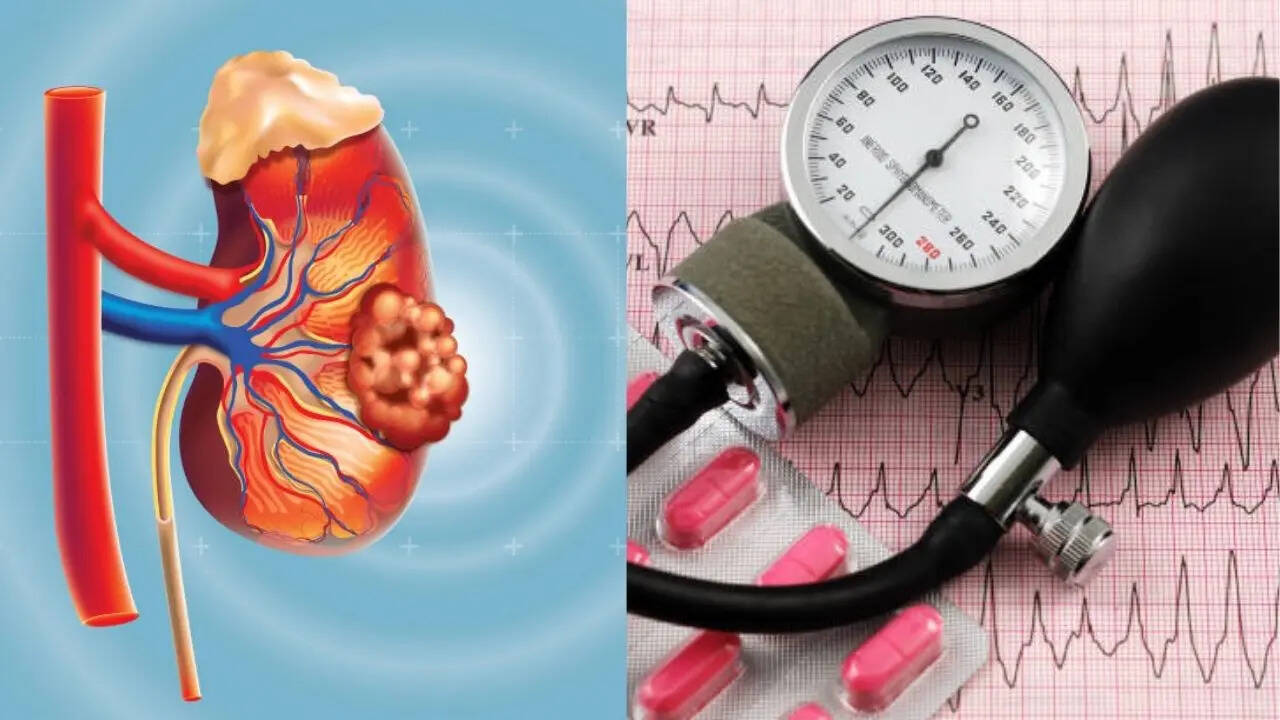
Related News | Blood Pressure May Raise Kidney Cancer Risk, Doctors Warn
Blood Pressure May Raise Kidney Cancer Risk, Doctors Warn
Read here: Don’t Want a Heart Attack? Avoid 5 Daily Habits That Damage Heart Health and Raise Cardiac Risk
What does exercise do for your heart?
Exercising and working out at least 30 to 45 minutes a day helps stimulate the production of nitric oxide, which keeps arteries smooth, slippery, and flexible. Without it, arteries become stiff and less pliable. If you remain inactive, it can cause vascular remodelling in both large and small arteries, causing them to become stiffer.
Exercise also improves blood circulation in your body, which reduces the oxygen supply to organs, including the heart.
“When you push yourself with exercise, it sends signals to your heart to make it more efficient as well as stronger. This translates into more years of your life. So, don't fall into the trap of a sedentary life. Move every day, train with purpose, and remember that your heart rewards the effort that you put into it,” Dr London added.
Working out at least 30-45 minutes day helps in blood circulation
Exercise also:
Improves the muscles’ ability to pull oxygen out of the blood, reducing the need for the heart to pump more blood to the muscles
Reduces stress hormones that can put an extra burden on the heart
Works like a beta blocker to slow the heart rate and lower blood pressure
Increases high-density lipoprotein (HDL) and helps control triglycerides
Various studies have stated that people who exercise regularly are less likely to suffer a sudden heart attack or other life-threatening cardiac event.
Ideal exercises for heart health
According to experts, the ideal workout for your optimal heart health usually combines aerobic activities like brisk walking, cycling, swimming, dancing, along with strength training which includes weights, bands, bodyweight for metabolism, and flexibility and balance like yoga to reduce stress.
You can also add a variety of well-rounded routine workouts that lower blood pressure and cholesterol levels and improve overall fitness. Doctors recommend aiming for at least 150 minutes per week of moderate cardio, plus two days of strength training.
Stay updated with the latest and breaking news on Times Now. Get latest India News, World News, Business News, Sports News, Viral News and Education News also explore Entertainment News and Lifestyle Tips.