2 min read
Kedarnath Dham closes for winter after record 19 lakh devotees: Where will Baba Kedar reside for the next 6 months?
Kedarnath Dham closes for winter after welcoming over 19 lakh devotees. As the sacred shrine shuts for six months, Baba Kedar's winter journey to Ukhimath begins.
By Times Now Digital
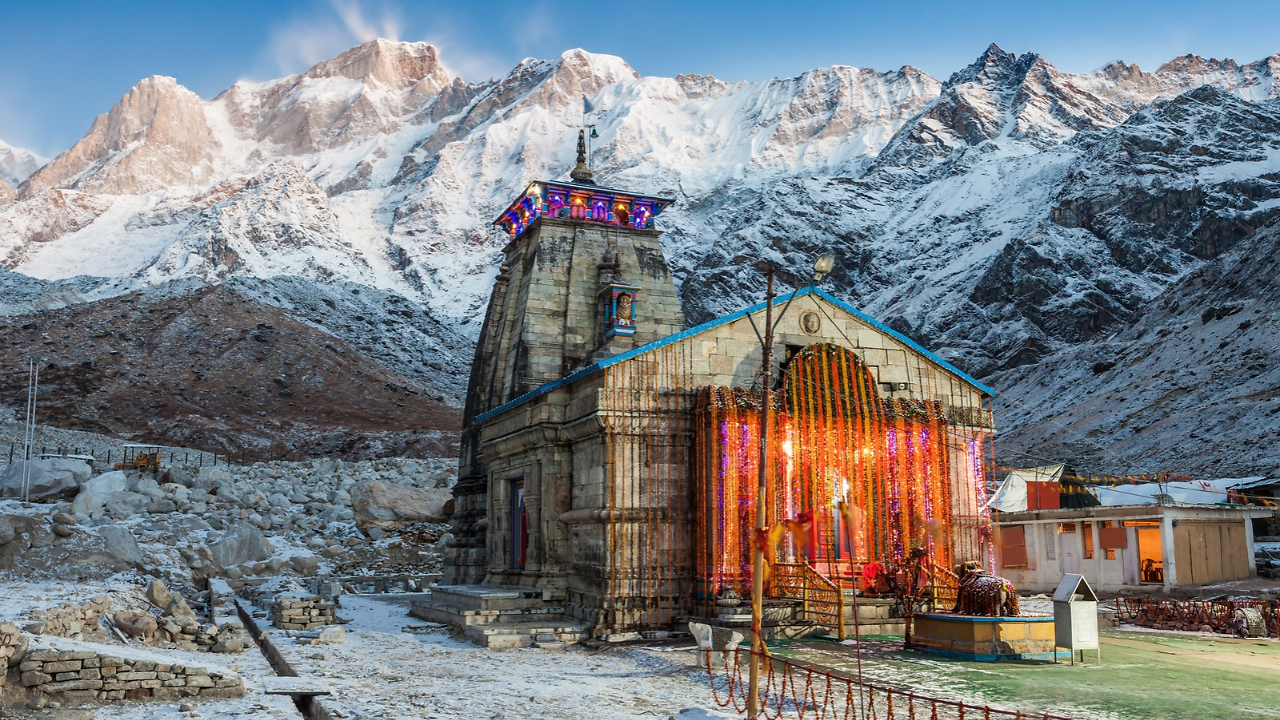
The doors of Kedarnath Dham have closed for the winter season, bringing this year's pilgrimage to an end after a record-breaking turnout of more than 19 lakh devotees. Situated in the Garhwal Himalayas of Uttarakhand, the sacred shrine witnessed an emotional farewell on Wednesday, November 11, as priests performed the traditional closing rituals amid Vedic chants and prayers.
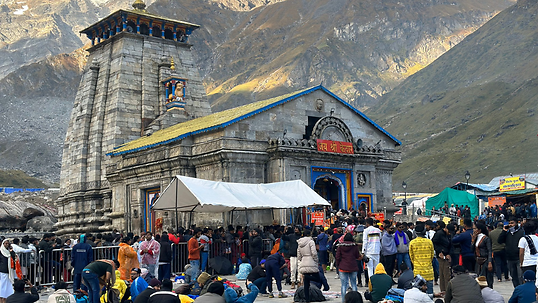
The temple portals were ceremonially closed at 8:30 am on the auspicious occasion of Bhai Dooj. The shrine had been beautifully decorated with flowers ahead of the ceremony, with devotees gathering in large numbers for one final glimpse of Baba Kedar before the winter break. According to reports, more than 19 lakh pilgrims offered prayers at the temple this season, making it a significant year for the Kedarnath pilgrimage.
Where Will Baba Kedar Reside During Winter?
While the main Kedarnath shrine will remain inaccessible to pilgrims during the harsh winter months, the worship of Lord Shiva will continue at his designated winter abode. Following the closure, Baba Kedar's ceremonial Panchmukhi Utsav Doli (palanquin) has begun its journey towards the Omkareshwar Temple in Ukhimath, located in Uttarakhand's Rudraprayag district.
The procession is scheduled to halt at Rampur on November 11 and reach the Vishwanath Temple in Guptkashi on November 12. It will then proceed to Omkareshwar Temple in Ukhimath, where it is expected to arrive on November 13. The temple serves as the winter seat of Lord Kedarnath, and daily prayers and religious rituals will continue there throughout the winter season.
Why Does Baba Kedar Move To Ukhimath Every Winter?
The annual movement of Baba Kedar's ceremonial palanquin is rooted in centuries-old religious traditions. Kedarnath, situated at a high altitude in the Himalayas, experiences severe snowfall and extremely cold conditions during winter, making access to the shrine difficult. As part of the established tradition, the deity's ceremonial representation is brought down to Ukhimath so that devotees can continue offering prayers and seeking blessings even when the main temple remains closed. The winter arrangement allows the spiritual connection with Baba Kedar to continue beyond the pilgrimage season.
The Kedarnath shrine is expected to reopen in 2027 around Akshaya Tritiya, with the exact date to be announced according to the traditional calendar. Until then, devotees can visit Omkareshwar Temple in Ukhimath for Baba Kedar's winter darshan. Though the Himalayan shrine will remain closed for the next six months, devotion to Baba Kedar will continue.
Stay updated with the latest and breaking news on Times Now. Get latest India News, World News, Business News, Sports News, Viral News and Education News also explore Entertainment News and Lifestyle Tips.