4 min read
In 1979, 30 mongooses were released on a Japanese island to control snakes and rats; 45 years later, scientists declared them eradicated
In 1979, about 30 small Indian mongooses were released on Japan’s Amami Oshima to control venomous habu snakes and rats. This introduction, however, did not solve the problem; instead, it created another as these animals adapted to their new environment and spread across the forests of the island where they attacked native species. After several decades of trapping, detection dogs, monitoring, and statistical modelling, the extinction of this...
By Moneycontrol International
Updated 23 hours ago
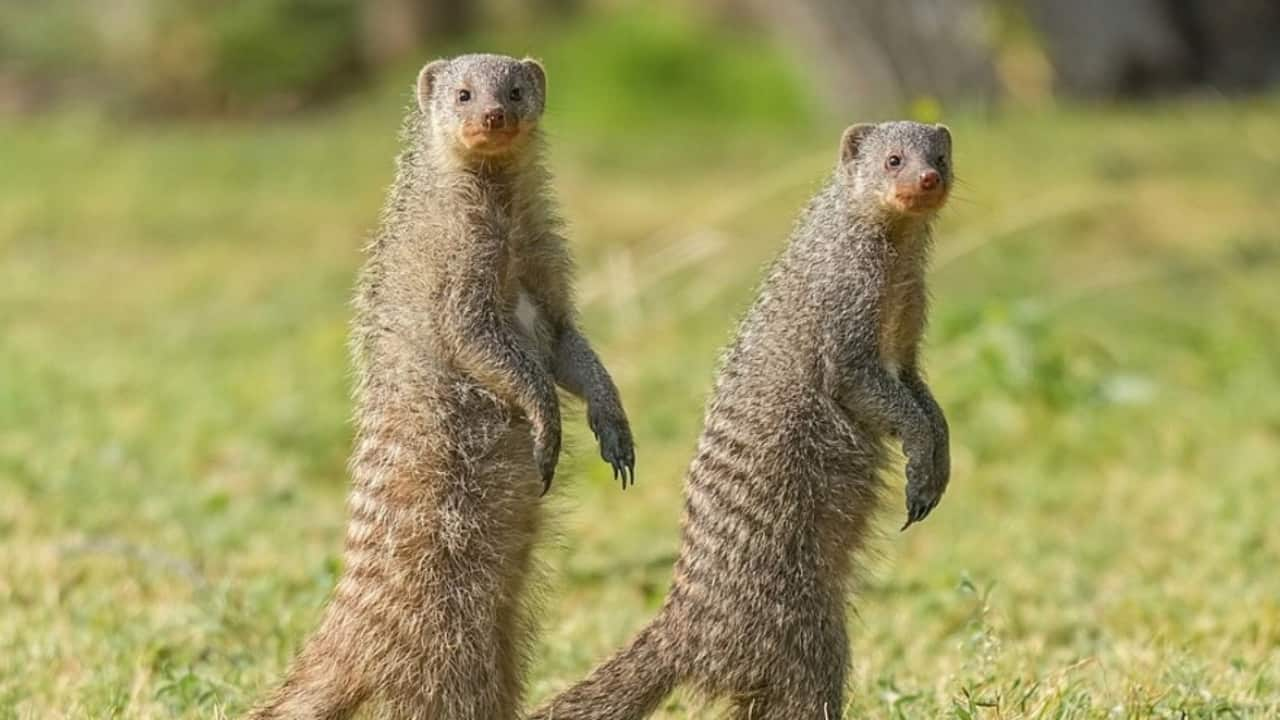
In 1979, about 30 small Indian mongooses were released on Japan’s Amami Oshima to control venomous habu snakes and rats. This introduction, however, did not solve the problem; instead, it created another as these animals adapted to their new environment and spread across the forests of the island where they attacked native species. After several decades of trapping, detection dogs, monitoring, and statistical modelling, the extinction of this animal was confirmed.
The biological-control experiment
Amami Oshima is one of Japan’s Ryukyu Islands and contains numerous species found nowhere else. Its endemic wildlife includes the Amami rabbit, Amami spiny rat, Amami Ishikawa’s frog and other species that evolved in relative isolation. The island later on became part of the World Heritage site, which includes Amami-Oshima, Tokunoshima, northern Okinawa and Iriomote. The protection of this endemic wildlife is seen as a conservation goal by the Japanese Government.
The mongoose arrived for a very different reason. According to the Ministry of the Environment’s Okinawa-Amami Nature Conservation Office, around 30 mongooses were introduced in Amami Oshima around 1979 from Okinawa Island and were released at Asani-Akasaki in Naze City. The reason they were introduced was to control habu and rats. Previously, mongooses had already been introduced to Okinawa Island in 1910.
The success of the plan heavily depended on the predatory nature of the introduced species. Nonetheless, the predator’s introduction does not necessarily imply that it can gain control over the targeted species. On the island of Amami Oshima, the introduced mongoose gained ground and started eating a great variety of other animals. According to the Amami Wild Animal Protection Center, which operates under the Ministry of the Environment of Japan, insects, frogs, rodents, and rabbits are among the animals preyed upon by the mongoose, including some rare indigenous ones, like the Amami rabbit and the Amami spiny rat.
The mismatch was particularly important for the original habu-control objective. Habu are venomous pit vipers that are primarily nocturnal, whereas the small Indian mongoose is predominantly active during the day. But the government sources do not establish that this behavioural difference alone caused the control programme to fail. The more firmly documented outcome is that the mongoose established a population and expanded its diet to native wildlife, while the original habu-control objective was not achieved.
Thirty animals became thousands
The introduced population did not remain around the original release point. Japan’s Ministry of the Environment and Kagoshima Prefecture conducted a four-year investigation beginning in 1996 to determine the mongoose’s distribution, population and effective capture methods. The baseline findings from this assessment mapped how widely the mongoose had dispersed, documenting that the expansion of its habitat occurred simultaneously with the sharp decrease in native species populations.
This ecological crisis prompted a decisive shift in strategy. While local municipalities had been trapping mongooses as nuisance wildlife since 1993, the central government and Kagoshima Prefecture stepped in with targeted distribution and population investigations between 1996 and 1999. Using this information, they started the process of eliminating these creatures on a massive scale from 2000 onwards. At this point, it was estimated by the government that the population of the mongoose had reached about 10,000 in number.
A major escalation came in 2005, when Japan’s Invasive Alien Species Act came into force, and the mongoose was designated an invasive alien species. The Ministry of the Environment then strengthened the programme and organised the specialist Amami Mongoose Busters team.
The team used increasingly intensive methods. At the height of their effort, the Ministry claims that more than 35,000 traps and more than 500 automatic cameras were being used on the island. They even brought in detection dogs, and the traps were continually refined to avoid trapping non-targets.
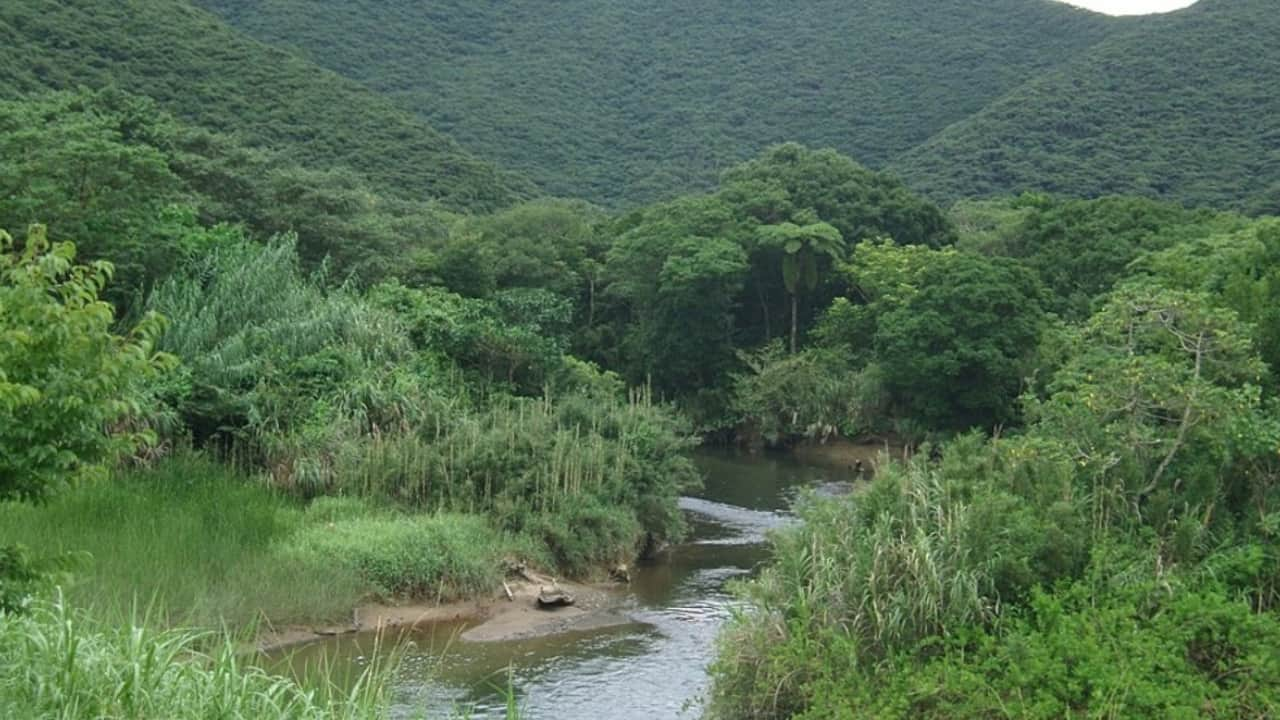
Eventually, the effort drove the population down to the point where captures stopped. The last captured mongoose was reported in April 2018. The eradication, though, was not declared instantly. The reason was that a record of zero captures alone does not provide evidence that the animals have been wiped out from the island, which is big and mountainous.
Six years without a confirmed mongoose
After the April 2018 capture, no confirmed mongoose was recorded by traps, detection dogs or automatic cameras. Monitoring continued through fiscal year 2023 despite the number of captures dipping to zero. Wildlife officials maintained this verification window because proving the outright eradication of a species across a vast, mountainous terrain required far more robust evidence than a mere absence of new captures.
To document eradication, researchers resorted to two distinct statistical frameworks: the Harvest-based Model (HBM), which evaluates the probability of elimination using spatial area data, and the Rapid Eradication Assessment (REA), which analyzes localized population density dynamics.
On September 3, 2024, Japan's Ministry of the Environment officially declared the eradication of the small Indian mongoose on Amami Oshima. The operation was considered the world's largest mongoose eradication on an island with a well-established population of the species.
The native species began recovering
The significance of removing the mongoose was not merely that an introduced mammal had disappeared. Monitoring during the control programme documented recovery trends among several native species. According to data compiled by Japan’s Ministry of the Environment and its regional Amami Wild Animals Protection Center, the populations and geographic ranges of the Amami rabbit, Amami spiny rat, Amami Ishikawa’s frog, and various endemic amphibians have successfully rebounded. While the successful eradication of the mongoose marks a monumental conservation victory, other environmental pressures continue to threaten the island's fragile native species.