GK: Do you know which Indian sweet is called the 'king of sweets'?
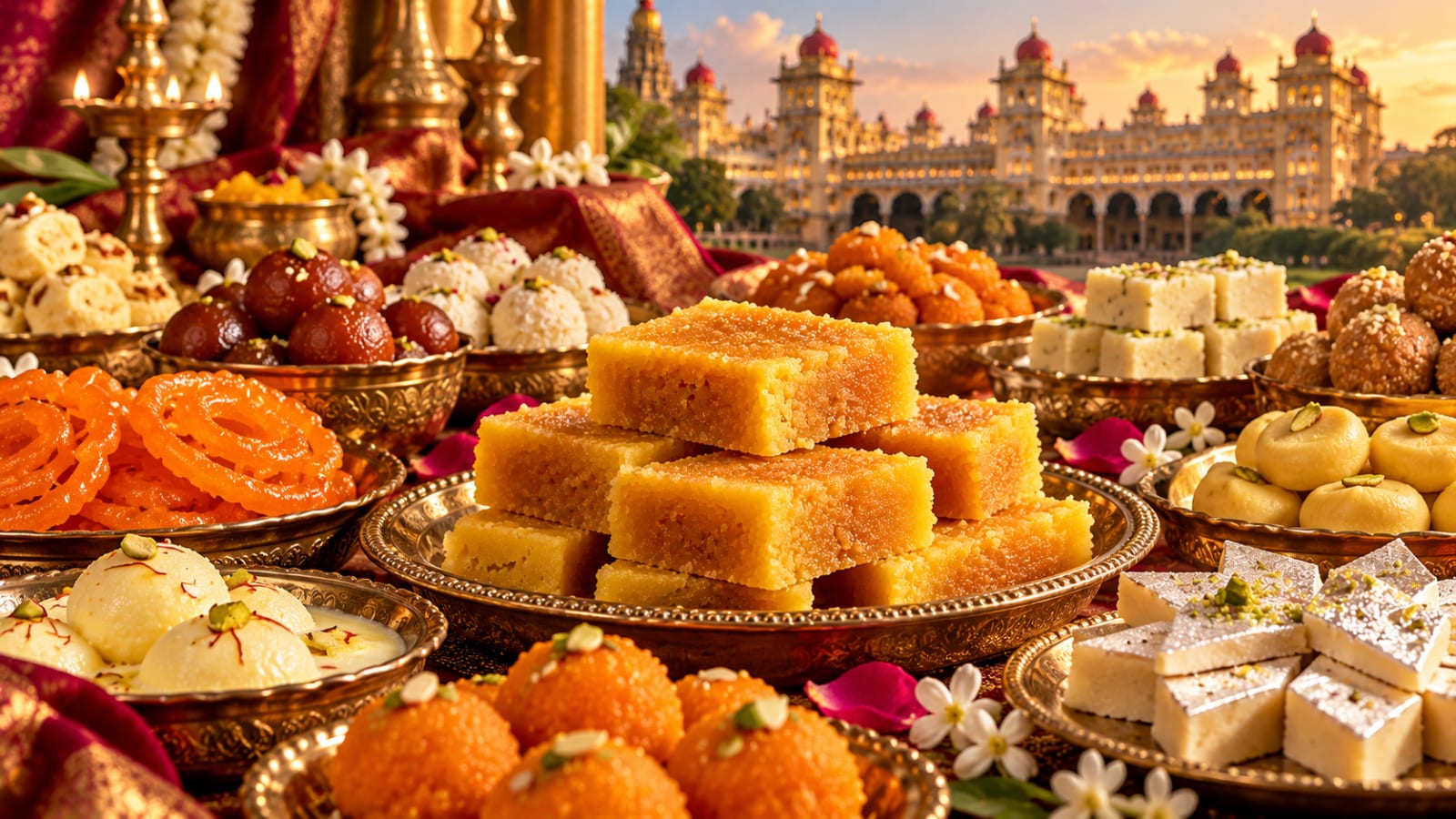
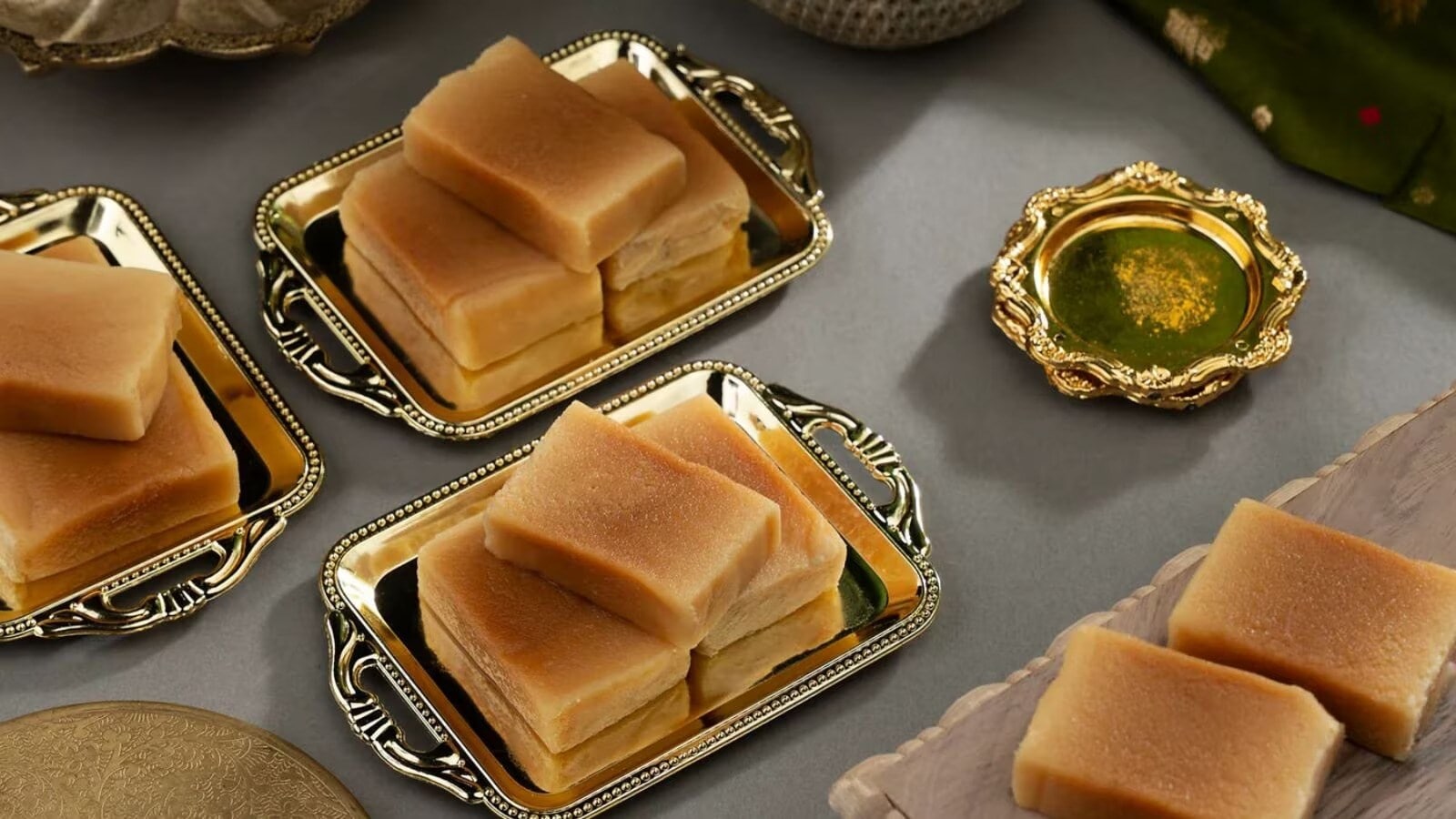
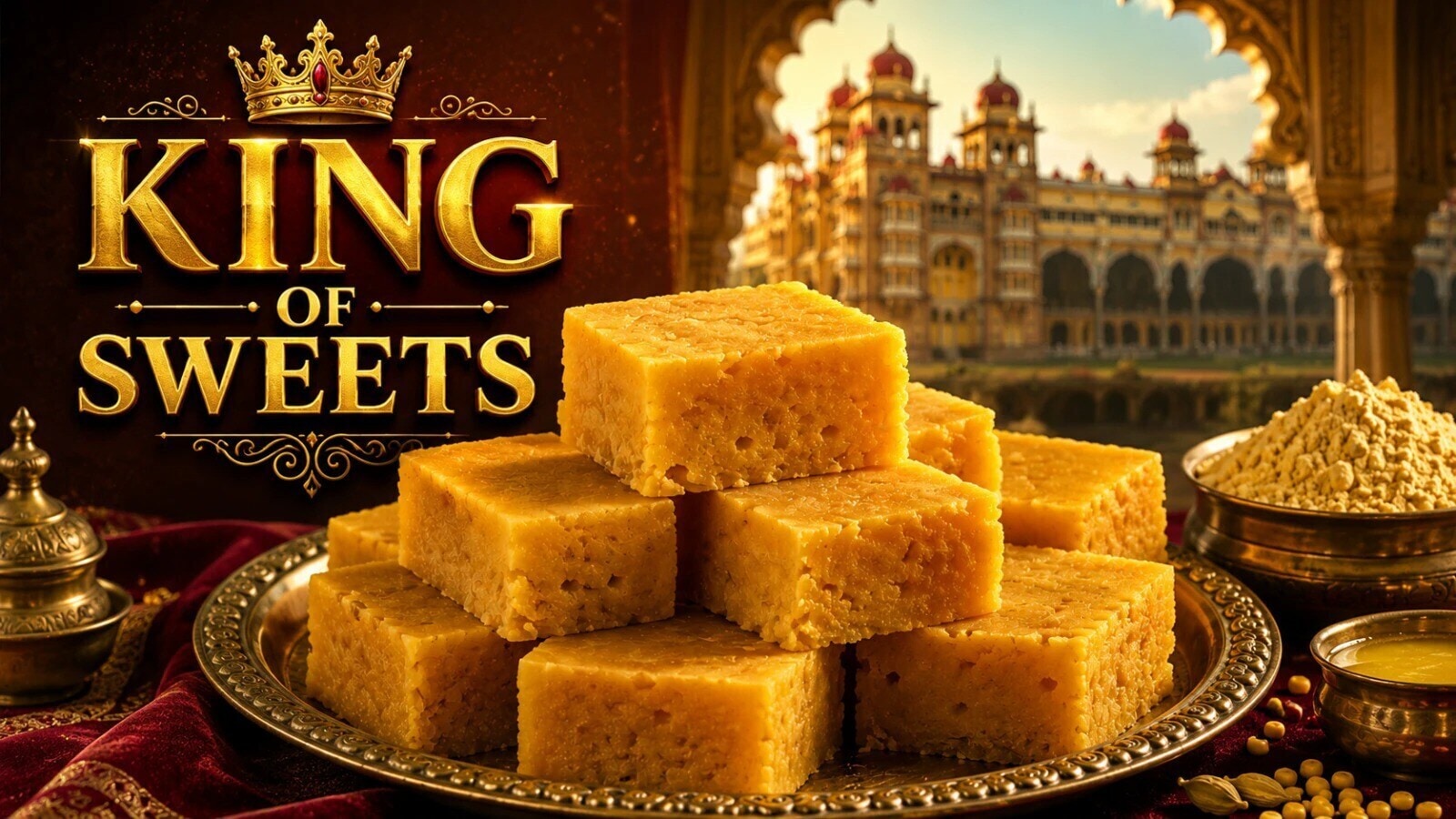
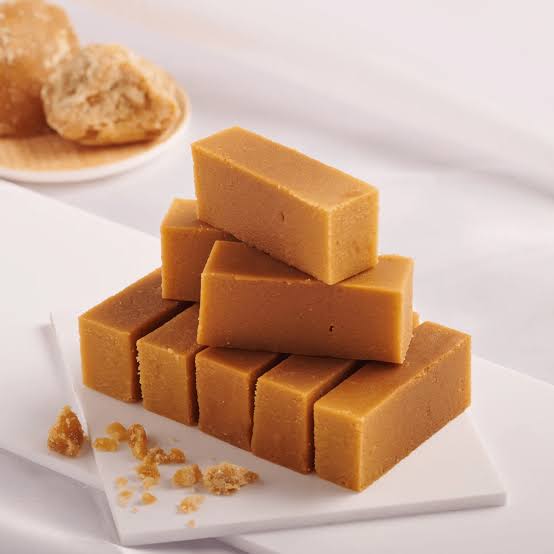
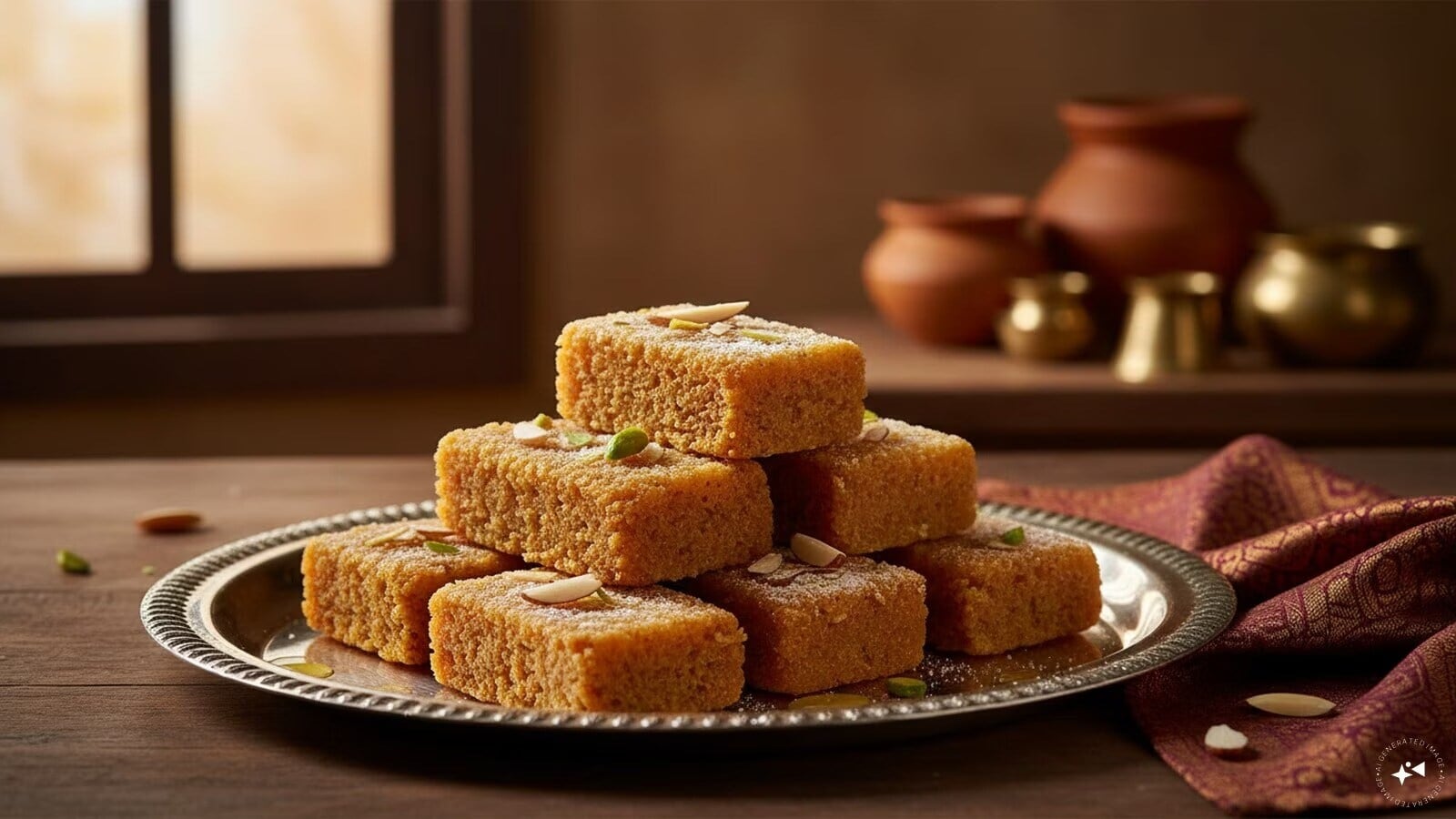
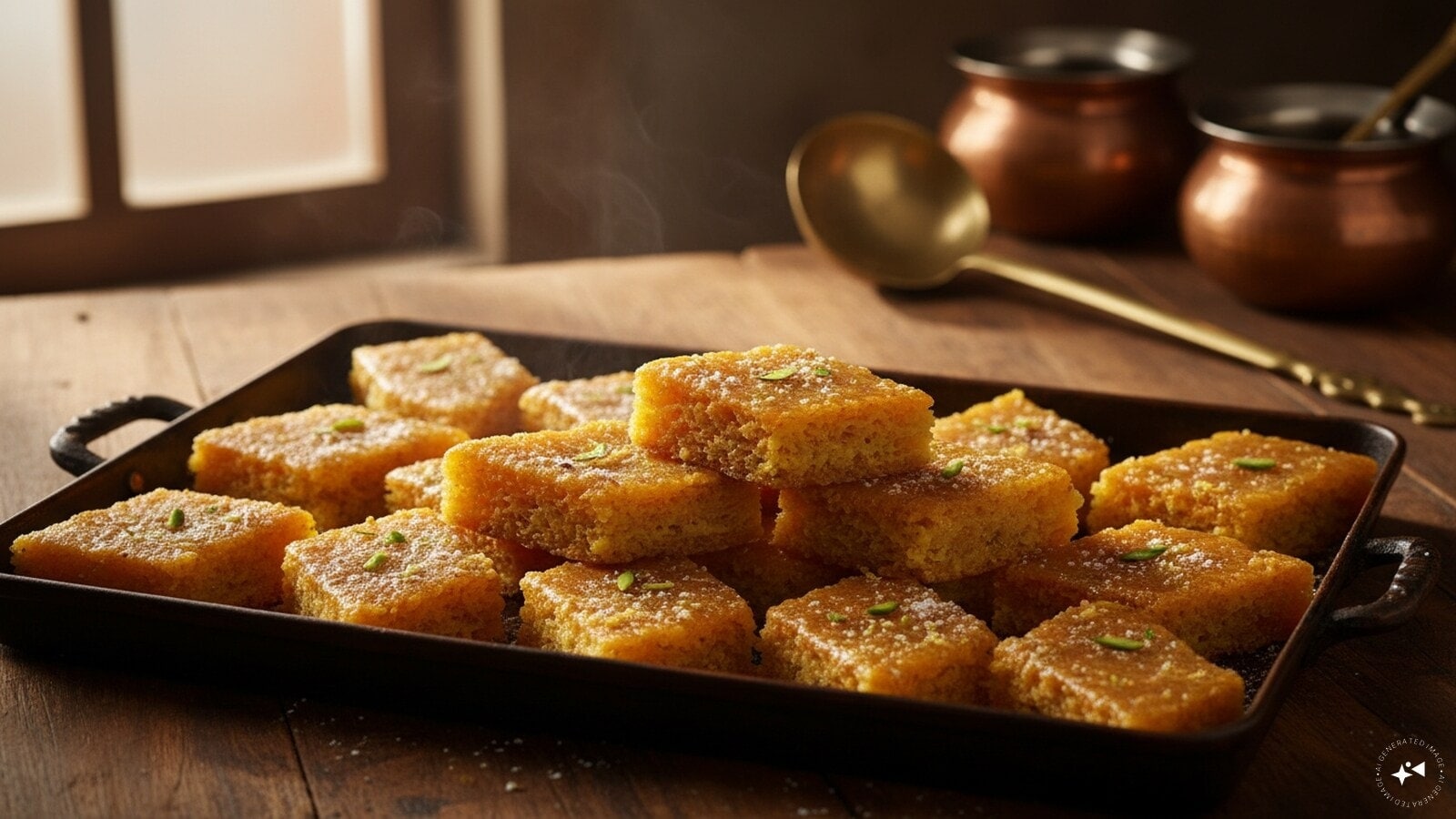
India is home to an incredible variety of traditional sweets, each with its own distinctive flavour, preparation technique and cultural significance. While every region boasts its own special delicacies, one South Indian favourite has earned a reputation as the ‘King of Sweets’. The sweet in question is Mysore Pak, a beloved delicacy that traces its origins to Karnataka and is closely associated with the royal heritage of Mysore. (Image-AI)Mysore Pak is a traditional Indian sweet that originated in Mysore, Karnataka. It is primarily prepared using three ingredients: gram flour (besan), sugar and ghee. The right proportions of these ingredients, combined with careful preparation, give the sweet its distinctive taste and texture. A well-made Mysore Pak typically has a rich, buttery flavour and a texture that can range from slightly firm and porous to exceptionally soft and crumbly. Over the years, the sweet has travelled far beyond Karnataka and gained popularity across the country. The origins of Mysore Pak are closely linked to the Wadiyar dynasty, which ruled the Kingdom of Mysore. According to popular accounts, the sweet was first prepared in the royal palace kitchen for the royal family. The story goes that a palace cook experimented with ingredients commonly found in Indian kitchens and created a sweet that quickly won the royal family’s appreciation. Its popularity eventually extended beyond the palace, allowing the delicacy to find its way into local sweet shops and households. Over time, Mysore Pak became an integral part of Karnataka’s culinary heritage. Its association with the royal kitchens of Mysore continues to add to its appeal, making it more than just another traditional dessert..Despite being made with relatively simple ingredients, preparing authentic Mysore Pak requires considerable skill and attention to detail. Getting the proportions right and cooking the mixture to the correct consistency are essential to achieving its signature texture and flavour. The use of ghee gives the sweet its rich taste, while the preparation technique determines whether the final product is firm and slightly porous or soft enough to melt in the mouth. Different sweet makers have developed their own variations, offering customers a choice between traditional, slightly crumbly versions and softer varieties.Mysore Pak is also a popular choice for gifting. Many people buy it for friends, relatives and guests during festivals and family celebrations, keeping the tradition of sharing sweets alive.From its reported beginnings in the royal kitchens of Mysore to its place in sweet shops across India, Mysore Pak has maintained its timeless appeal. Its rich flavour, traditional preparation and royal associations have helped it secure a special place in the country’s diverse culinary landscape.