5 min read
Dear Neha Bora, Bangladesh has lessons for India — but they're not what you think
Before deciding whether Bangladesh s youth have shown India the way, examine the security of ordinary people, the condition of minorities, the fate of historical heritage, and the freedom of those who fear persecution
Updated 3 hours ago
By F M Shahin
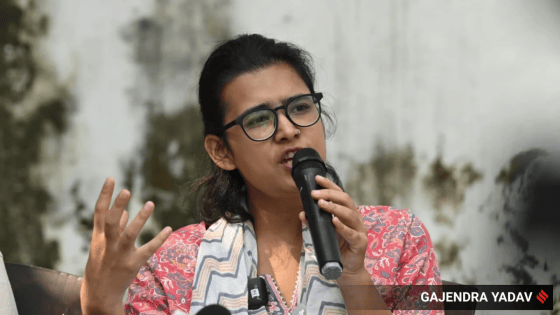
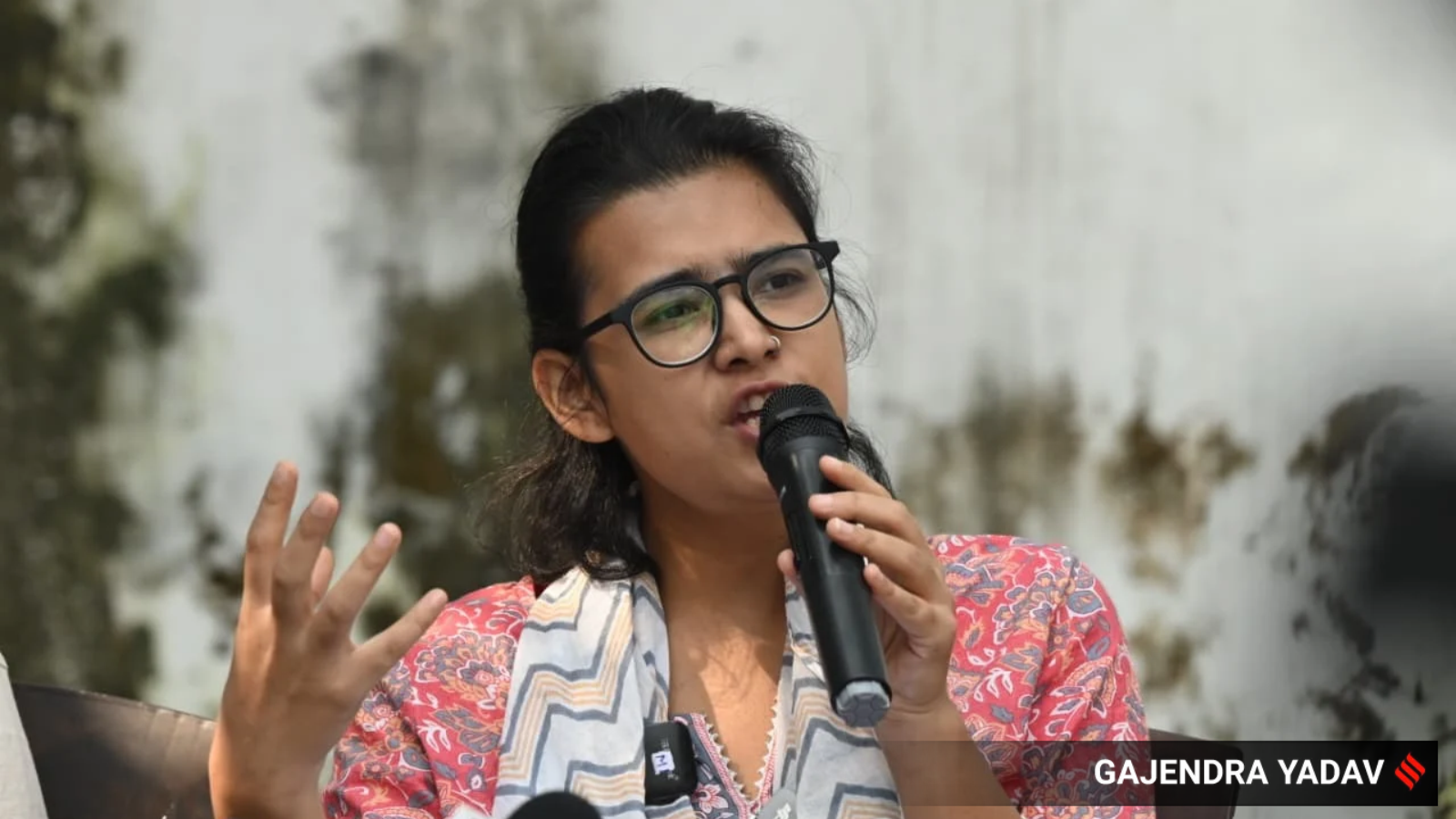
A recent remark by Neha Bora, president of the All India Students’ Association (AISA), has given me considerable pause. Referring to Bangladesh’s July 2024 uprising and the subsequent fall of its government, she reportedly stated, “The youth of Bangladesh have shown us the way.”
At first glance, this may sound like admiration for youthful courage and political resistance. However, it raises a fundamental question: Before presenting another country’s political upheaval as a model, shouldn’t we examine its consequences?
Neha, if you fully understood the realities Bangladesh has faced since August 5, 2024, would you still encourage India’s youth to follow its example?
The fall of a government is not synonymous with the liberation of a people. Governments can and should be held accountable for corruption, electoral irregularities, concentration of power, and restrictions on democratic freedoms. Bangladesh had legitimate grievances that demanded urgent attention. But does the collapse of an established political order automatically produce a more democratic society?
During the Awami League’s years in power, Bangladesh experienced notable economic growth, infrastructure development, and improvements in social indicators, alongside serious political shortcomings and persistent inequalities. Neither its achievements nor its failures should be ignored; a responsible assessment must acknowledge both.
The uprising also raised critical questions about domestic and foreign actors, geopolitical interests, and potential external interference. The crucial question is not simply who lost power, but who filled the resulting vacuum — and whether ordinary citizens became safer, freer, and more secure.
The aftermath has brought disturbing reports of attacks on police, state institutions, political opponents, and religious minorities, alongside arson, mob violence, and assaults on homes and places of worship. Allegations of killings and violence against women and children demand impartial investigation. No political cause can justify murder, and no popular movement should enjoy immunity from accountability.
When mobs take the law into their own hands, democracy does not grow stronger; instead, the most vulnerable citizens become the first victims of institutional weakness. Political change means very little to those who fear for their lives because of their religion, ethnicity, or political identity.
The reported killing of Dipu Chandra Das, who was burned to death, is a chilling reminder of the dangers of mob brutality and communal hatred. Reports of attacks on minority communities must not be dismissed as inconvenient questions amid the celebration of political change. They demand justice, credible investigations, and an unequivocal rejection of extremism. Nor should attacks on Bangladesh’s Liberation War heritage be overlooked.
Dhanmondi 32 is more than just a building; it holds profound historical significance. Political leaders and their legacies must remain open to criticism, but destroying historical landmarks cannot resolve political disagreements. It risks replacing reason with revenge.
Bangladesh won independence through the Liberation War of 1971. The sacrifice of three million martyrs, the suffering of countless women, and the struggle of millions form the nation’s moral inheritance. The destruction of historical memorials and the erosion of secular, pluralistic values cannot automatically be celebrated as progressive achievements.
Neha, you have every right to oppose the Indian government, challenge its policies, and protest against abuses of power. Youth activism is indispensable to democracy. However, the legitimacy of a movement depends not only on its stated objectives; its methods and consequences matter equally. A movement claiming to defend human rights must also protect human life, dignity, and security.
Surely, you would not want a political crisis in India to become an opportunity for religious extremists or external interests to exercise undue influence over the state. Nor would you want mob violence to replace the rule of law as a weapon against political opponents. Why, then, should these concerns not shape your assessment of Bangladesh?
India and Bangladesh have different histories and political systems, meaning their experiences cannot be equated mechanically. Yet, religious extremism, political violence, and weakened institutions recognise no borders. Bangladesh can offer India valuable lessons — provided those lessons emerge from critical examination rather than blind imitation.
I write this as a Bangladeshi writer, filmmaker, and cultural organiser who has had to remain away from his homeland amid political instability and concerns for his safety. Exile is not romantic. It means separation from one’s roots, uncertainty about the future, and the painful question of whether one will ever return home safely.
Neha, before deciding whether Bangladesh’s youth have shown India the way, look beyond the images of August 5. Examine the security of ordinary people, the condition of minorities, the fate of historical heritage, and the freedom of those who fear persecution. Listen not only to the celebratory slogans but also to the voices of those who have lost their homes or been forced into exile.
The greatest achievement of a revolution is not the fall of a ruler; it is the true liberation of the people. A political transformation that fails to protect human freedom, dignity, and security must answer difficult questions before becoming a model for others.
I want a Bangladesh where disagreement is not a crime, religious identity is not a source of danger, history is not destroyed in the name of vengeance, and patriotism does not come at the price of exile.
Neha Bora, do not let the romance of revolution conceal the suffering that may follow. History teaches us that the exhilaration of a crowd can sometimes signal the beginning of liberation. It can also, however, conceal the emergence of a new form of subjugation.
Let Bangladesh’s experience serve not as an unquestioned ideal for India’s youth, but as a warning worth examining. The ultimate purpose of politics must be the liberation of people — not destruction in the name of revolution.
Shahin is a writer, filmmaker, and cultural organiser
For the latest news from across India, Political updates, Explainers, Sports News, Opinion, Entertainment Updates and more Top News, visit Indian Express. Subscribe to our award-winning Newsletter Download our App here Android & iOS