4 min read
Amitabh Bachchan opens up about sleep troubles at 84: 'Tried all, nothing happened'
Amitabh Bachchan's recent blog about his difficulty falling asleep has brought attention to a common concern among older adults. Experts explain how ageing affects the sleep cycle, what may be disrupting rest and the habits that can help improve sleep quality.
By Lifestyle Desk
Updated 2 days ago

Amitabh Bachchan opens up about his sleep difficulties (Image Source: Instagram/amitabhbachchan)
Amitabh Bachchan recently opened up about his struggles with sleep at 84, admitting that he finds it increasingly difficult to fall asleep. However, the veteran actor also revealed that he has found a rather quirky way to tackle the problem.
Taking to his blog, the Sholay star wrote, "Up a bit early, for it was playing on my mind that I should have written the Blog last night... so up and about and hoping to catch the sleep again... if it comes..."
"At times on the net you get so many physical motions to activate sleep... tried all and nothing happened... so best to do it the natural way... get into the coverings, cuddle like the fetus we were before evolving and facing the World... and DONE... snoring and all… Aaaahhhh… a yawn... indicator of the shortage of the Oxygen needed .. so shall retire,(sic)" he adds.
DISCLAIMER: This article is based on information from the public domain and/or the experts we spoke to. Always consult your health practitioner before starting any routine.
Sleep difficulties with age
Getting 7–8 hours of sleep is essential for overall well-being. However, sleep-related difficulties are relatively common among older adults.
Explaining the reason behind this, Dr Chirag Tandon, Director, Internal Medicine, ShardaCare - Healthcity says, "The body's sleep patterns and biological clock change with age. As people grow older, they tend to produce less melatonin, the hormone that regulates the sleep-wake cycle. This can make them feel sleepy earlier in the evening, wake up earlier in the morning, and experience lighter, more interrupted sleep."
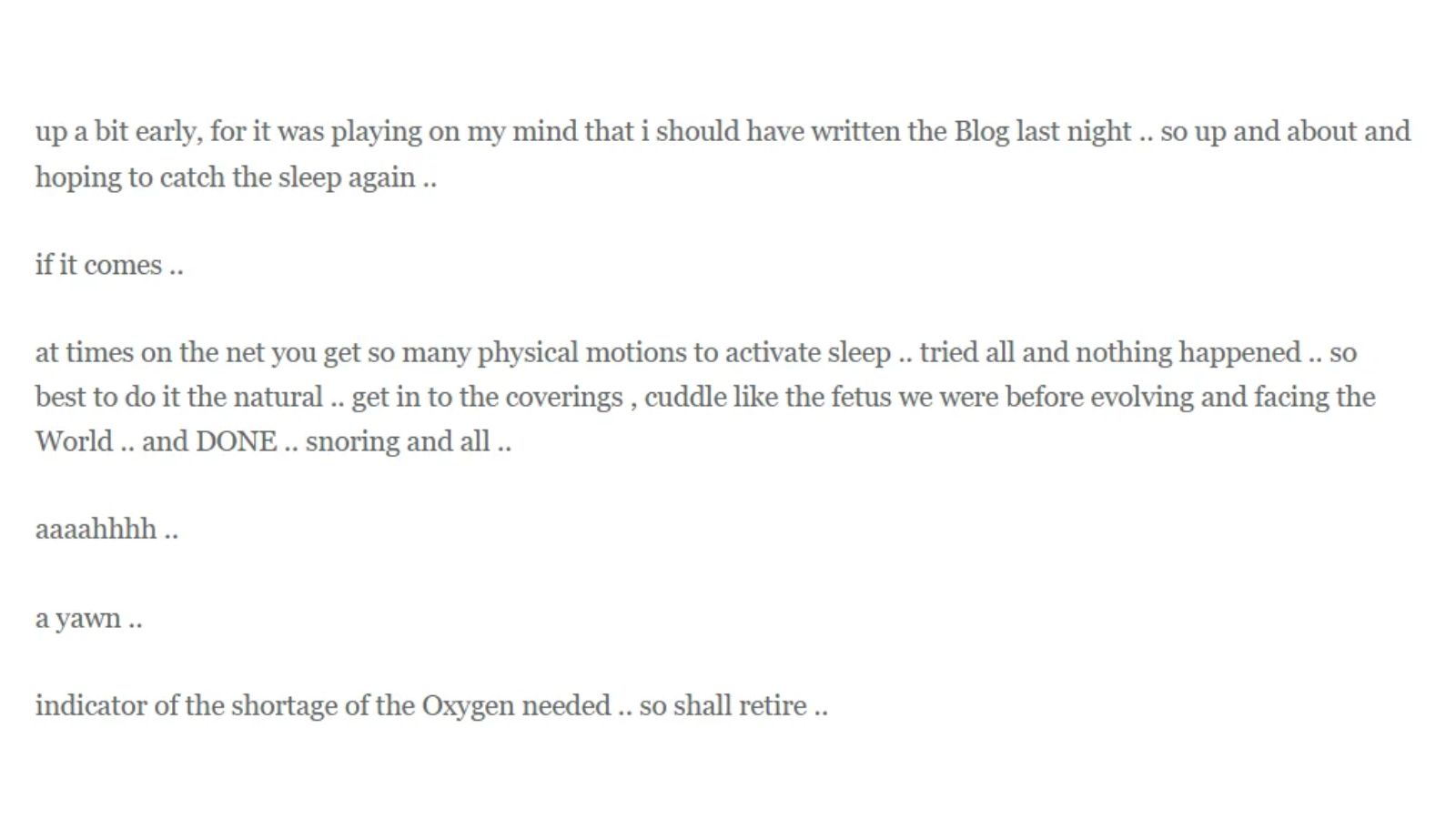
A snap from Amitabh Bachchan's blog
"Age-related health conditions such as arthritis, diabetes, heart disease, prostate problems and frequent urination can further disturb sleep. Certain medications, chronic pain, anxiety, loneliness, and reduced physical activity can also contribute to insomnia. In some cases, conditions such as sleep apnoea and restless legs syndrome may be responsible," he adds.
Remedies to Improve Sleep
Experts point out that poor sleep should not be viewed as an inevitable part of ageing. With a few simple lifestyle changes and healthy sleep habits, older adults can improve their sleep quality and overall well-being. Dr Shradha Maheshwari, neurosurgeon and minimally invasive brain and spine surgeon at SL Raheja Fortis Hospital, and advisor to World of Sleep, suggests the following ways that can help:
- Maintain a consistent sleep schedule
Lifestyle changes, such as going to bed and waking up at the same time every day, help regulate the sleep cycle. Exposure to natural sunlight in the morning also helps maintain a healthy sleep-wake rhythm.
- Stay physically active
Staying active is essential for overall well-being and good sleep. Following a regular daily routine, along with maintaining a healthy and balanced diet, can help improve sleep quality.
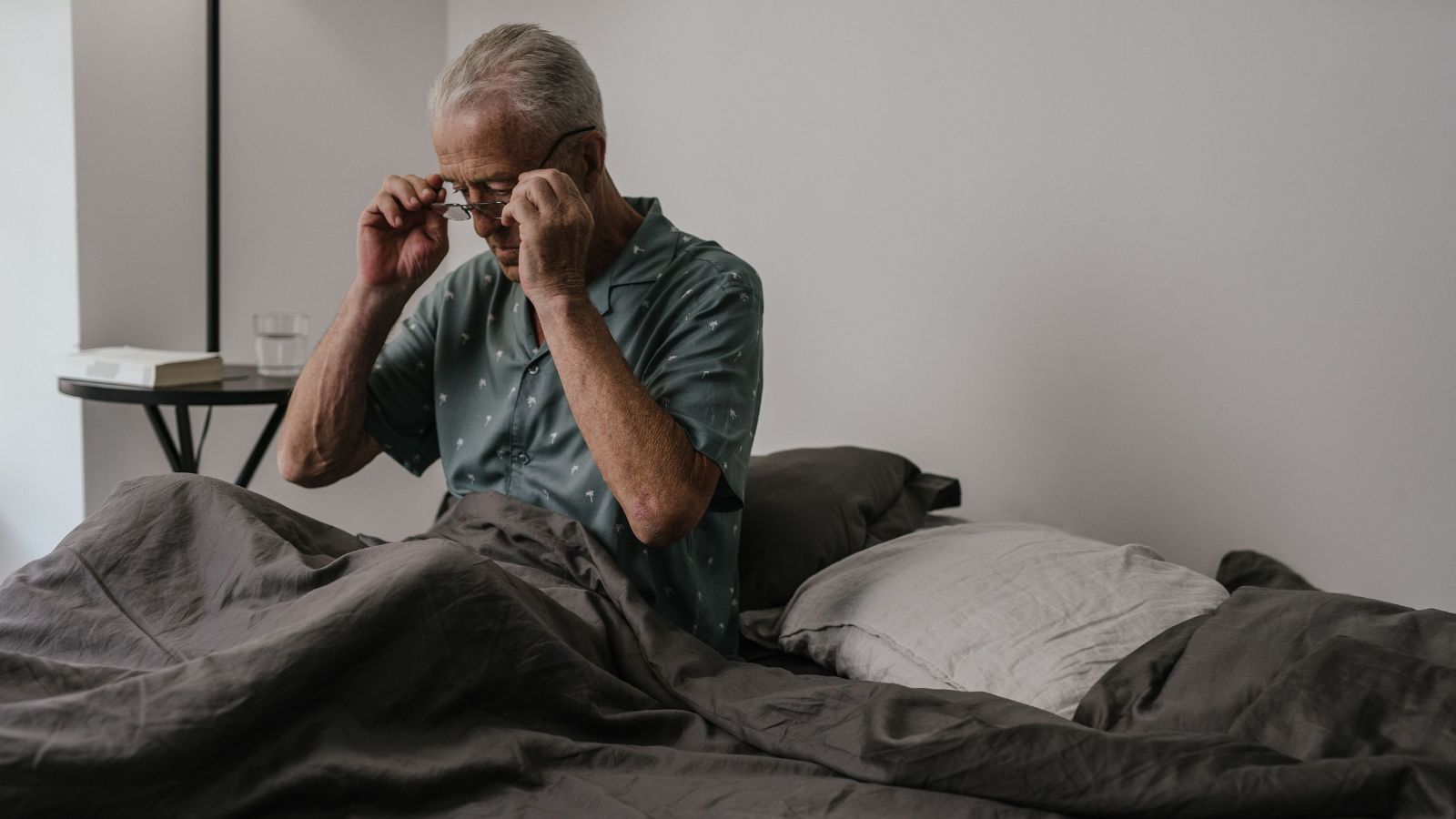
Sleep can become lighter and more interrupted as people grow older, making it harder to get an uninterrupted night's rest. (Image Source: Pexels)
- Practise yoga and relaxation techniques
Practising yoga and relaxation techniques can calm the body and mind, reduce stress, and promote better sleep. These practices can also help the body relax and prepare for restful sleep.
- Create a sleep-friendly environment
Keeping the bedroom dark or dimly lit, maintaining a comfortable room temperature, and minimising noise can help promote better sleep. The use of screens before bedtime and the regular use of sleeping pills without medical advice should be avoided.
When to seek professional help
Good sleep is vital for overall health and well-being. Sleep-related concerns, therefore, should not be overlooked, particularly as we age. Dr Maheshwari explains when it is important to seek medical help:
- Neurological symptoms
New neurological symptoms, such as memory changes, excessive daytime sleepiness, a feeling of heaviness, or frequent headaches, should prompt a medical consultation.
- Signs of sleep apnoea
Excessive snoring, choking or gasping during sleep, and pauses in breathing may indicate sleep apnoea and warrant medical evaluation.
- Persistent pain or discomfort
Any persistent pain, burning sensations, or discomfort in the body that interferes with sleep should be investigated.
- Frequent night-time urination
Frequent urination during the night or any other recurring symptoms that disturb sleep should not be ignored and warrant medical attention.
Ageing can certainly influence sleep patterns, but it would be incorrect to attribute all sleep-related difficulties to age alone. Sleep is not just about the number of hours spent in bed; its quality and how refreshed one feels upon waking are equally important.
DISCLAIMER: This article is based on information from the public domain and/or the experts we spoke to. Always consult your health practitioner before starting any routine.
For the latest news from across India, Political updates, Explainers, Sports News, Opinion, Entertainment Updates and more Top News, visit Indian Express. Subscribe to our award-winning Newsletter Download our App here Android & iOS